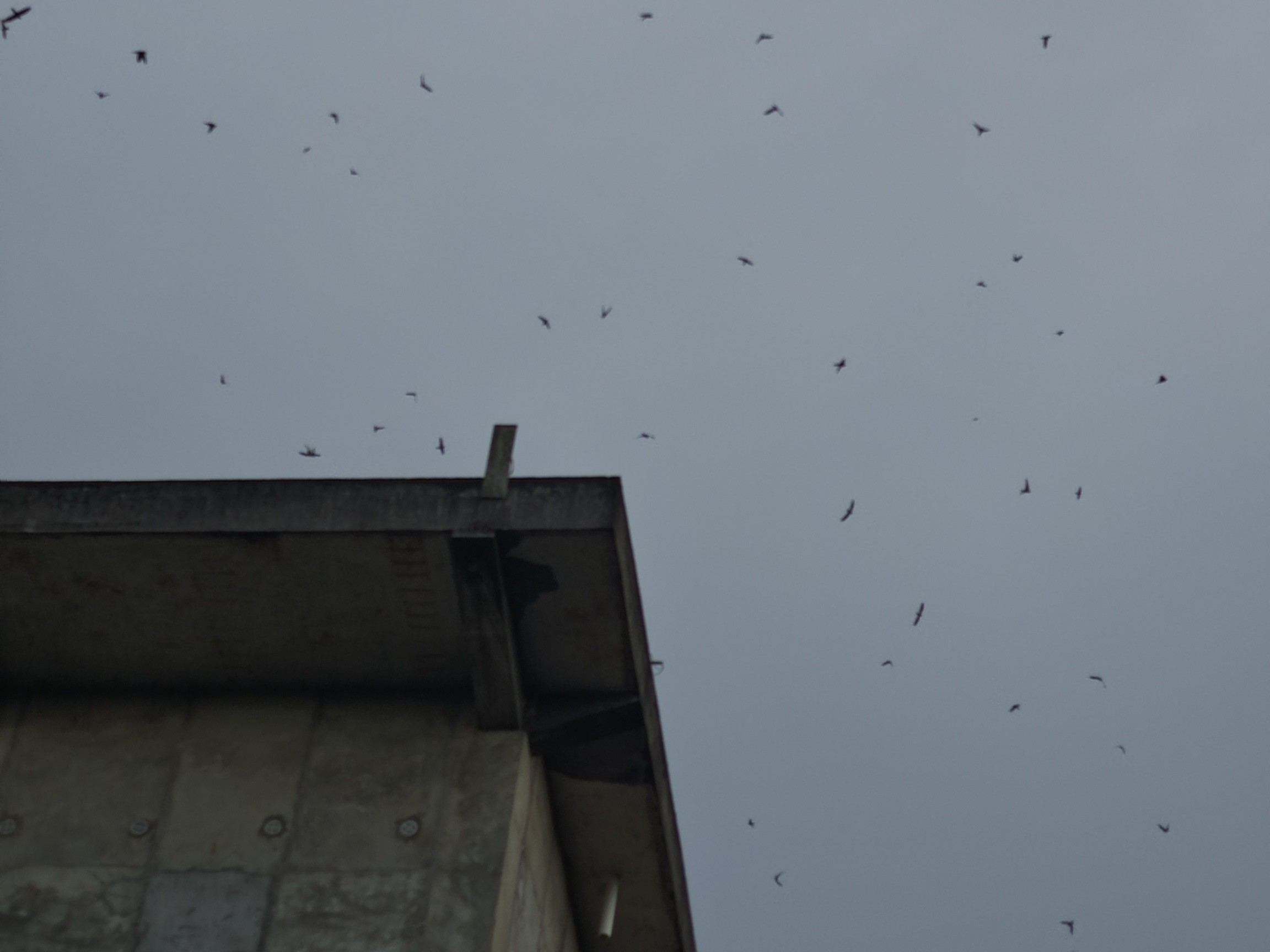

In the skies of the Indonesian archipelago, two bird species are often seen darting gracefully through the air with similar appearances, the swiftlet and the swallow. At first glance, they may look identical, yet the two differ significantly, especially in terms of economic value and the benefits of their nests.
Behind the allure of the highly prized “Luxury Nest” lies an intriguing story of how swiftlets naturally produce this delicacy, while swallows are merely close relatives often mistaken for them.
Swiftlets and Swallows: Similar but Not the Same
Both birds belong to the Apodidae family but differ in genus.
- The swiftlet (genus Aerodramus) possesses a unique ability to build its nest entirely from ita own saliva.When dried,this saliva hardens into a white or translucent nest, the true edible bird’s nest.
- The swallow (genus Collocalia), despite having a similar bodyshape,constructs its nest using grass and natural fibers glued together with a small amount of saliva.
This seemingly minor difference in nest-building technique creates a major contrast in value and benefit. Swiftlet nests are far more nutritious and economically valuable than swallow nests.
Habitat and Behavior: The Source of the Swiftlet’s Superiority
Swiftlets live in the dark, humid environment such as caves or specially designed birdhouses. They possess echolocation ability, using reflected sound waves to navigate enclosed spaces.
Swallows, on the other hand, prefer open environments. They typically build nests under rooftops, bridges, or cliffs and are active during the day.
These habitat differences affect the quality and form of their nests. Swiftlet nests, produced in controlled and clean environments, are usually more pristine, intact, and of higher commercial value making them one of Indonesia’s premier export commodities recognized in global markets.
Nutritional Content and Benefits of Swiftlets Nests
Swiftlet nests are a natural source of protein, amino acids, and essential minerals. The glycoproteins within are believed to support overall health, repair skin tissue, and enhance immunity.
For this reason, swiftlet nests are widely used in premium health products, cosmetics, and dietary supplements across many Asian countries.
In contrast, swallow nests do not contain the same nutritional components, as they are not made from pure saliva, resulting in a much lower market value.
Conclusion
Although they may look alike, swiftlets and swallows differ fundamentally. Their nesting methods, behaviors, and habitats make the swiftlet the only bird capable of producing a naturally high-value nest recognized worldwide.
Swiftlet nests are more than just a natural product, they represent purity, quality, and sustainable economic value, standing as a testament to Indonesia’s rich biodiversity that deserves to be preserved and developed.