In recent years, swiftlet houses have become one of the fastest-growing business sectors across various regions in Indonesia. These structures not only serve as a source of income for local communities but also play an important role in maintaining environmental balance. In many areas, the development of swiftlet houses has begun to align with the concepts of eco-living and wildlife conservation.
This article explores how the establishment of swiftlet houses can have positive effects on local ecosystems and outlines ways to ensure their sustainable management.
Boosting the Natural Population of Swiftlets
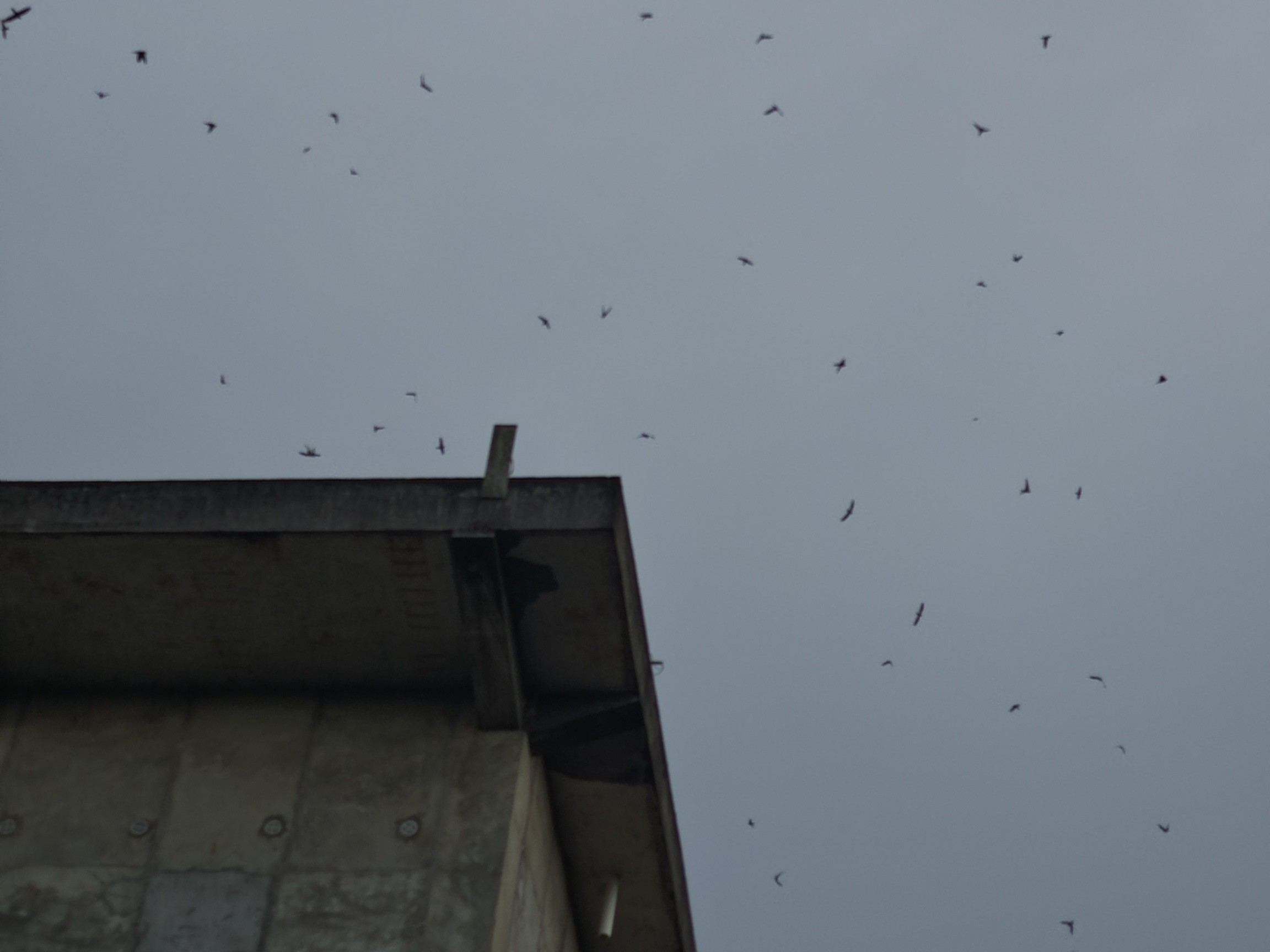
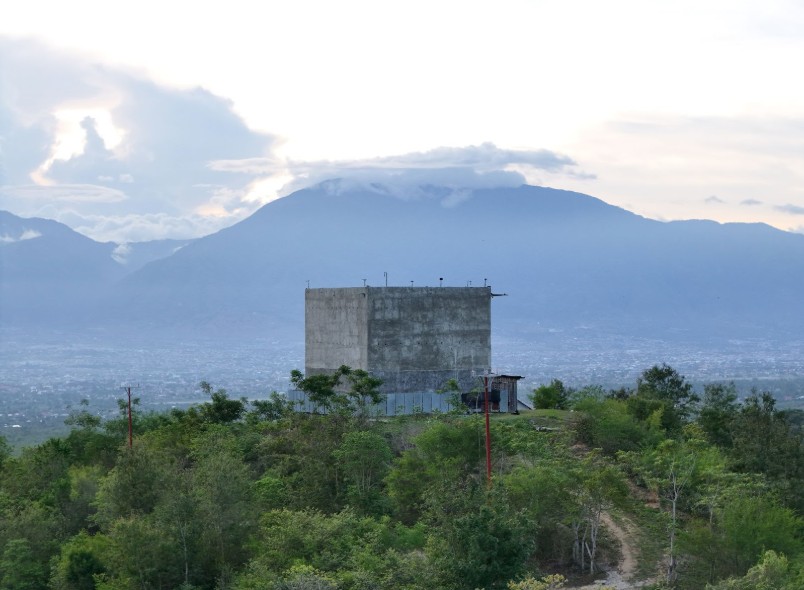
One of the most evident impacts of swiftlet houses is the increase in swiftlet populations in certain regions. These man-made structures provide safe nesting spaces for swiftlets to breed, especially in areas where natural habitats have declined due to urbanization.
By providing a stable and secure environment, swiftlet populations can grow without relying solely on natural caves. This helps maintain the continuity of swiftlet species, which play an important role in the ecosystem’s food chain.
Natural Insect Control
Swiftlets are known as aerial insect predators, feeding on mosquitoes, flies, and other small insects. The more swiftlet houses established in a region, the greater the number of birds actively hunting insects every night.
This positive ecological effect helps reduce pest insect populations naturally, without the use of chemical pesticides. Thus, swiftlet houses contribute to an eco-friendly, natural pest control system.
Promoting Local Ecosystem Balance
The presence of swiftlet houses represents a tangible harmony between humans and nature. Swiftlets make use of their surroundings without causing damage, while humans benefit economically from harvesting bird’s nests.
This symbiotic relationship demonstrates that the swiftlet house industry can coexist with ecosystem preservation, fostering harmony between business activities and environmental sustainability.
Environmental Education and Awareness
The swiftlet house business has also raised public awareness about the importance of nature conservation. Many entrepreneurs and local communities now adopt eco-friendly building practices, such as using natural materials and passive temperature control systems that minimize energy consumption.
Moreover, training programs and seminars on swiftlet management often serve as platforms for environmental education, reinforcing the social and ecological value of this industry.
Strengthening a Nature-Based Economy
Beyond its environmental benefits, the swiftlet house industry contributes to developing a nature-based local economy. When managed sustainably, it creates job opportunities, increases household income, and promotes natural resource conservation at the same time.
This balance between economic gain and conservation makes the swiftlet house industry a model of sustainable business that can inspire other sectors in agribusiness and environmental management.
Conclusion
The existence of swiftlet houses is not only a symbol of economic success but also a vital pillar in maintaining local ecosystem balance. When managed wisely with environmental considerations, swiftlet houses can become a harmonious solution between development and nature conservation.
Therefore, sustainable swiftlet house development benefits not only humans but also the natural environment that supports life itself.