Why Is Choosing the Right Swiftlet House So Important?
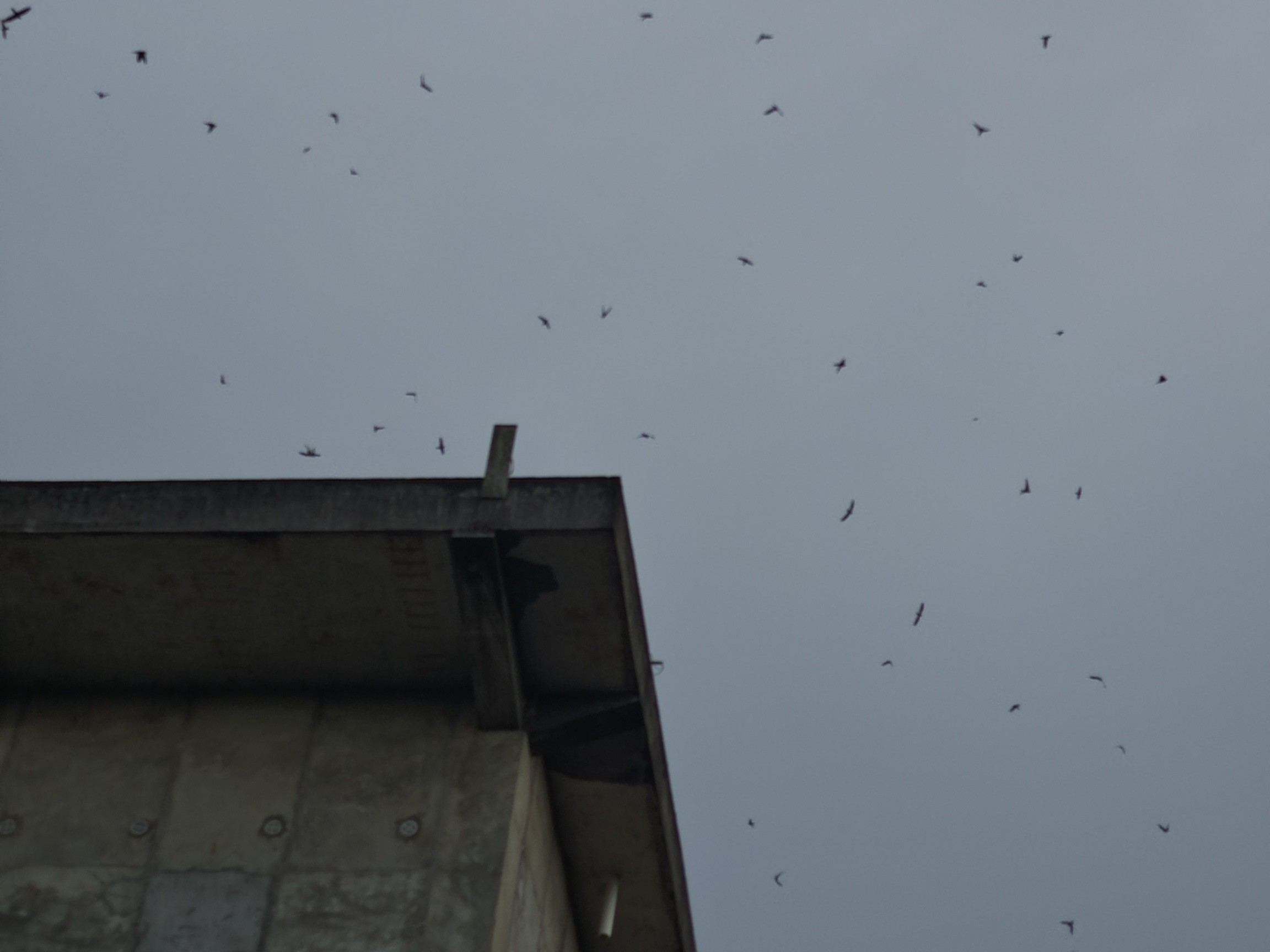
Did you know that the success of swiftlet farming doesn’t rely solely on location or maintenance, but also on the type of swiftlet house you use?
The structure plays a crucial role in creating a comfortable and safe environment where swiftlets can nest and reproduce.
In this article, you’ll discover the various types of swiftlet houses, their advantages, and practical guidance on how to select the most suitable building structure according to your regional conditions and farming goals.
Types of Swiftlet Houses and Their Characteristic
1.Wooden Swiftlet House
The wooden swiftlet house is the most traditional model, widely used by farmers in rural areas.
Wood naturally helps maintain stable temperature and humidity levels, creating an atmosphere similar to the bird’s natural cave habitat. However, wood requires regular maintenance to prevent decay or termite attacks.
Despite this, it remains a cost-effective choice for beginners with limited budgets.
2. Concrete Swiftlet House
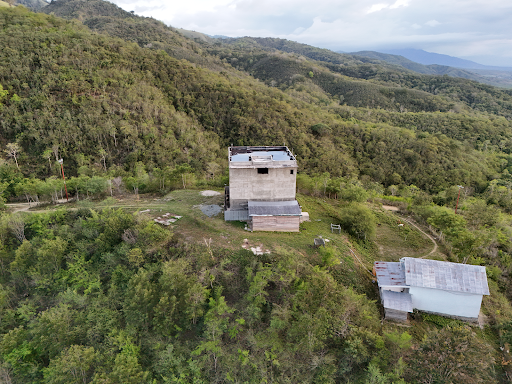
Many modern swiftlet farmers now prefer concrete structures due to their durability, stability, and ease of temperature control.
Concrete helps maintain consistent room temperature, making it ideal for regions with hotter climates.
Although the initial construction cost is higher, this type of house offers long-term efficiency and maximum protection from extreme weather conditions.
3. Combination Swiftlet House
This design combines the strength of concrete with the natural feel of wood.
The outer walls are built from concrete, while the interior surfaces are lined with wood.
Professional farmers often favor this hybrid model because it provides a balanced mix of durability, comfort, and consistent nest production, even though its cost is slightly higher than wooden or concrete-only structures.
Tips for Choosing the Right Swiftlet House Based on Location and Climate
- Adjust to temperature and humidity. Swiftlet thrive at temperatures of 24°C-26°C with humidity levels between 75%-95%.
– For hot climates, concrete houses are recommended for their resilience to heat and temperature changes.
– For cooler ormore humid areas, wooden or combination houses allow for better air circulation.
- Ensure proper ventilation and lighting.
- Choose a conducive location, away from noise and pollution.
- Use quality, durable, moisture-resistant, and easy-to-clean materials.
- Match your investment scale.
Conclusion
Choosing the right type of swiftlet house according to your environment is a crucial first step to ensuring comfort for the birds and increasing nest yield.
For new farmers, hybrid houses offer an ideal balance between the durability of concrete and the natural warmth of wood.
Meanwhile, for those farming in urban areas, concrete structures are recommended for their stability and minimal maintenance needs.