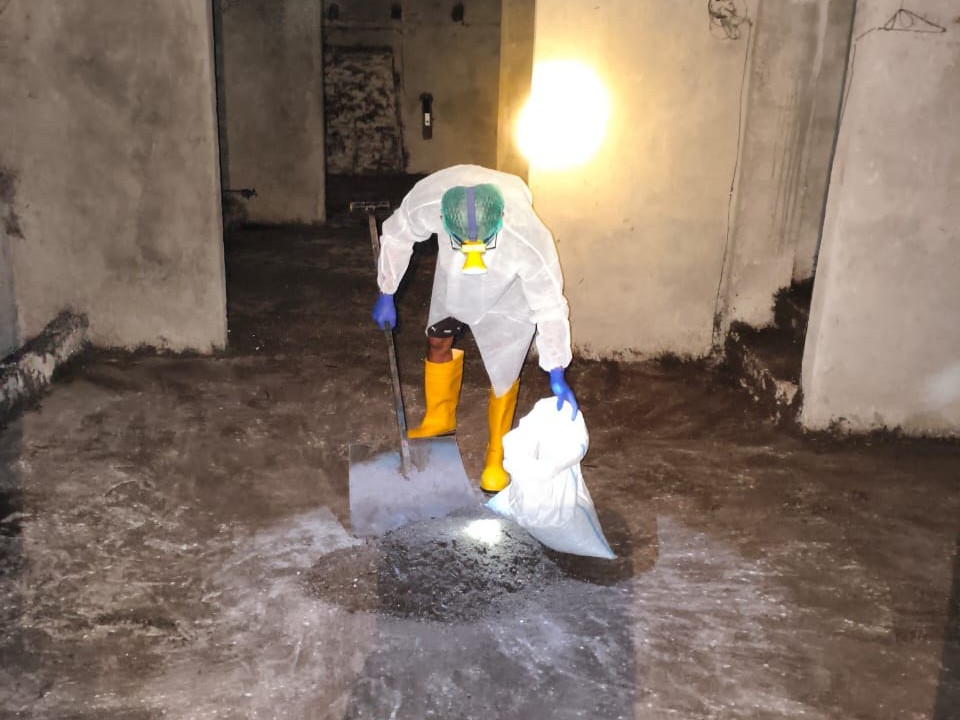

The swiftlet industry not only contributes significantly to regional economies but also plays an important role in maintaining environmental balance. Behind its growth, swiftlet communities serve as key drivers of sustainable practices, ensuring that the industry remains both productive and environmentally responsible. Through collaboration and ecological awareness, these communities help build a business ecosystem that aligns with environmental needs.
Swiftlet Communities as Guardians of Local Ecosystems
The success of swiftlet cultivation depends heavily on environmental conditions. For this reason, swiftlet communities are actively involved in preserving surrounding ecosystems, including maintaining green areas, water quality, and the availability of insects as a natural food source. Many communities independently conduct environmental monitoring to ensure the habitat remains healthy, allowing swiftlet populations to thrive optimally.
Promoting Environmentally Friendly Technology Adoption
Swiftlet communities play a vital role in introducing sustainable technologies to their members. Innovations such as IoT sensors, energy-efficient temperature control systems, and environmentally friendly construction materials helps reduce energy consumption in swiftlet houses. By adopting these technologies, the community not only increases productivity but also minimizes environmental impact.
Center for Education and Capacity Building
One of the greatest strengths of swiftlet communities is their ability to share knowledge. They frequently organize discussions, training sessions, and experience-sharing forums on ethical harvesting methods, eco-friendly swiftlet house design, noise management, and hygiene standard. This enhanced understanding encourages more sustainable and environmentally conscious cultivation practices.
Improving Compliance with Environmental Regulations
Swiftlet communities help disseminate information relate to permits and proper management of swiftlet houses. Through collective coordination, business actors can better understand zoning regulations, building requirements, and wildlife protection guidelines. This collective awareness reduces the risk of violations and fosters positive relationships with local communities.
Drivers of Social Initiatives and Conservation Programs
Beyond industry-related activities, swiftlet communities also participate in various social and conservation programs such as tree planting, waste management, village greening initiatives, and cleanliness campaigns. These activities create direct environmental benefits while strengthening the industry’s positive image in the eyes of the public.
Conclusion
The role of swiftlet communities in environmental sustainability is becoming increasingly significant as Indonesia’s swiftlet nest industry continues to grow. Through collaboration, education, technological innovation, and regulatory compliance, these communities serve as corepillar ensuring that the industry develops responsibly and sustainably. Strengthening the role of these communities can support a more stable, ethical, and environmentally aligned future fot the swiftlet industry.