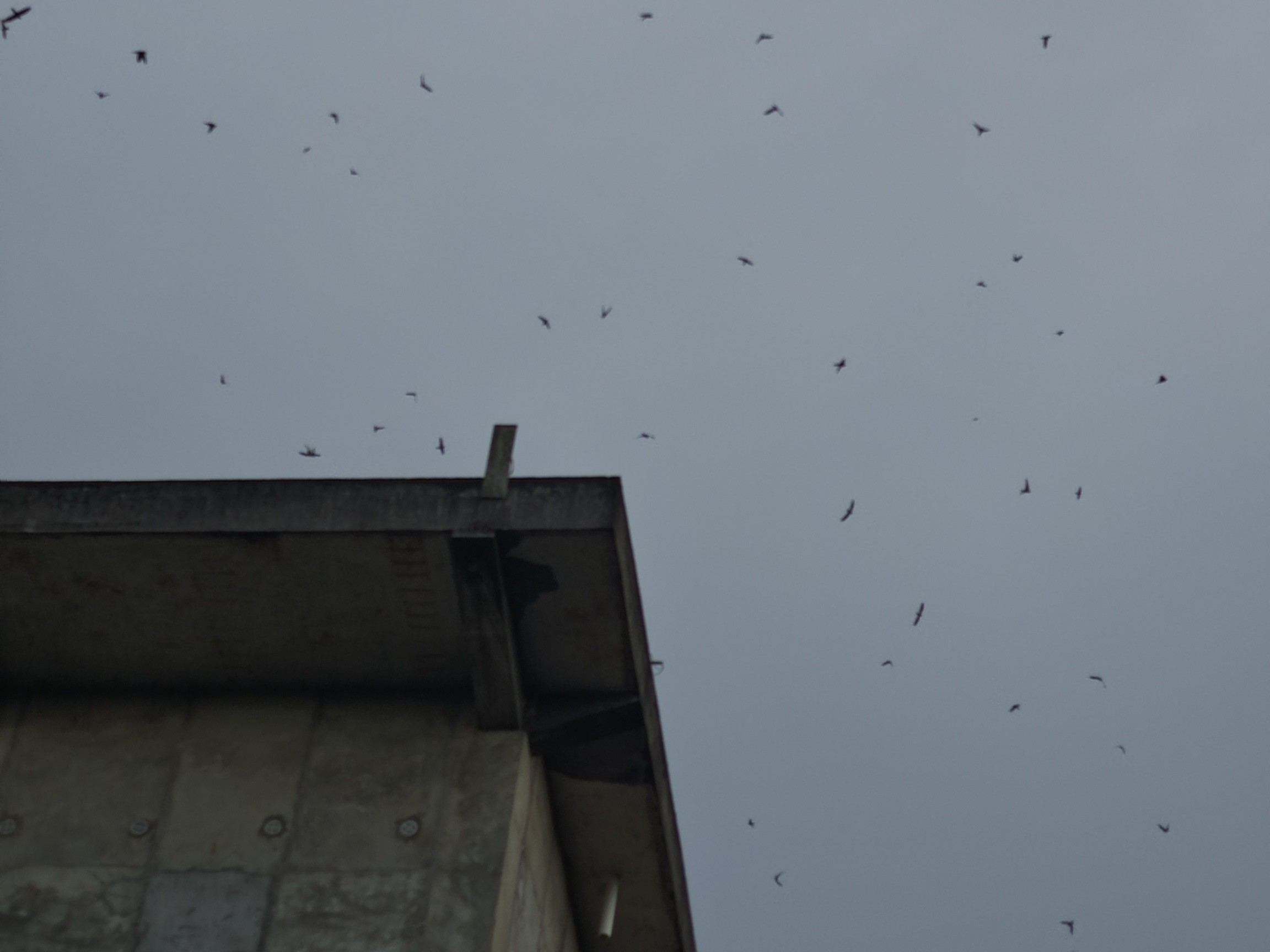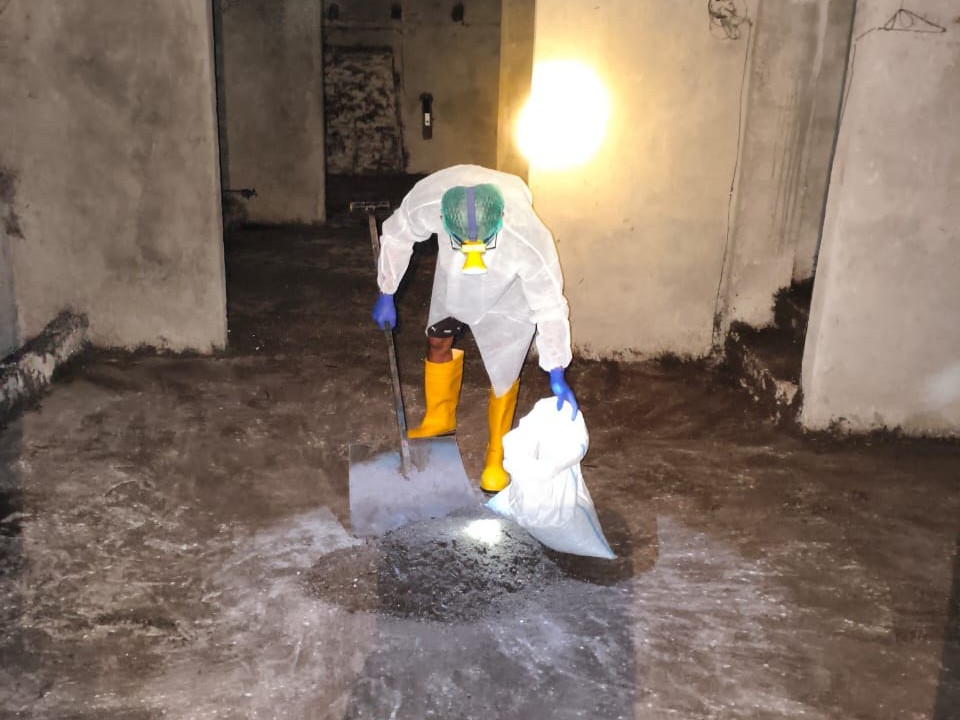

Swiftlets have long been known as a high-value commodity because of their nests. However, beyond the economic value of their nests, swiftlets can also function as natural indicators of environmental and air quality. Due to their sensitivity to changes in both micro and macro habitats, swiftlet populations and the condition of their nests can reflect the health of local ecosystems.
Swiftlets’ Sensitivity to the Environment
Ecological studies show that nest production is strongly influenced by the environmental conditions surrounding swiftlet houses. Factors such as temperature, humidity, and light intensity inside the building significantly affect swiftlet populations and nest productivity.
In addition, macro-environmental conditions such as rainfall, seasonal changes, and the availability of insect food sources also influence nest-building behavior.
Therefore, drastic changes in the ecosystem, such as increasing air pollution or habitat degradation can negatively impact swiftlets.
Nitrite in Nests as an Indicator of Contamination
Several studies indicate that environmental contamination can leave traces in swiftlet nests. For example, nitrite levels in nests can come from the oxidation of ammonia (from swiftlet droppings) by oxygen in the air. Research also shows that nitrifying bacteria from the soil beneath swiftlet houses can influence nitrite levels in the nests.
Other studies using spectrophotometers to measure nitrite residues in nests demonstrate that environmental contaminants can be absorbed into the nest and potentially reflect surrounding air quality.
Because swiftlets choose highly specific nesting environments, the presence and condition of swiftlet populations can signal habitat health and local air quality. If air conditions deteriorate due to pollution, the birds’ micro and macrohabitats will be disrupted, ultimately reducing nest quantity or productivity.
Swiftlet Habitats: Micro and Macro Indicators
Swiftlets build their nests in humid and stable environments, whether in specialized buildings or natural areas such as caves. Research shows that micro-environmental variables inside swiftlet houses, including humidity and temperature significantly affect nest production.
Their tendency to select very specific nesting conditions indicates that swiftlet presence and population health can serve as signals of habitat integrity and local air quality. If air quality declines such as due to pollution, the micro and macro habitats of swiftlets are disturbed, which can eventually lower nest production.
Conservation and Ecological Benefits
Recognizing swiftlets as bioindicators can open new pathways for conservation collaboration. Swiftlet farmers, researchers, and government bodies can utilize population data and nest composition to assess environmental quality in real time.
For instance, consistently high nitrite levels in nests can act as a local warning of air pollution or ecosystem degradation that needs to be addressed. This model can become part of community-based environmental monitoring programs while supporting sustainable swiftlet farming practices.
Conclusion
Swiftlets are not only a source of economic value but also natural indicators of environmental health. Their sensitivity to humidity, temperature, and airborne contaminants makes swiftlets “biological broadcasters” of local ecosystem quality. By monitoring swiftlet populations and nest composition, we can gain meaningful insights into air quality and environmental stability while promoting more eco-friendly cultivation practices.