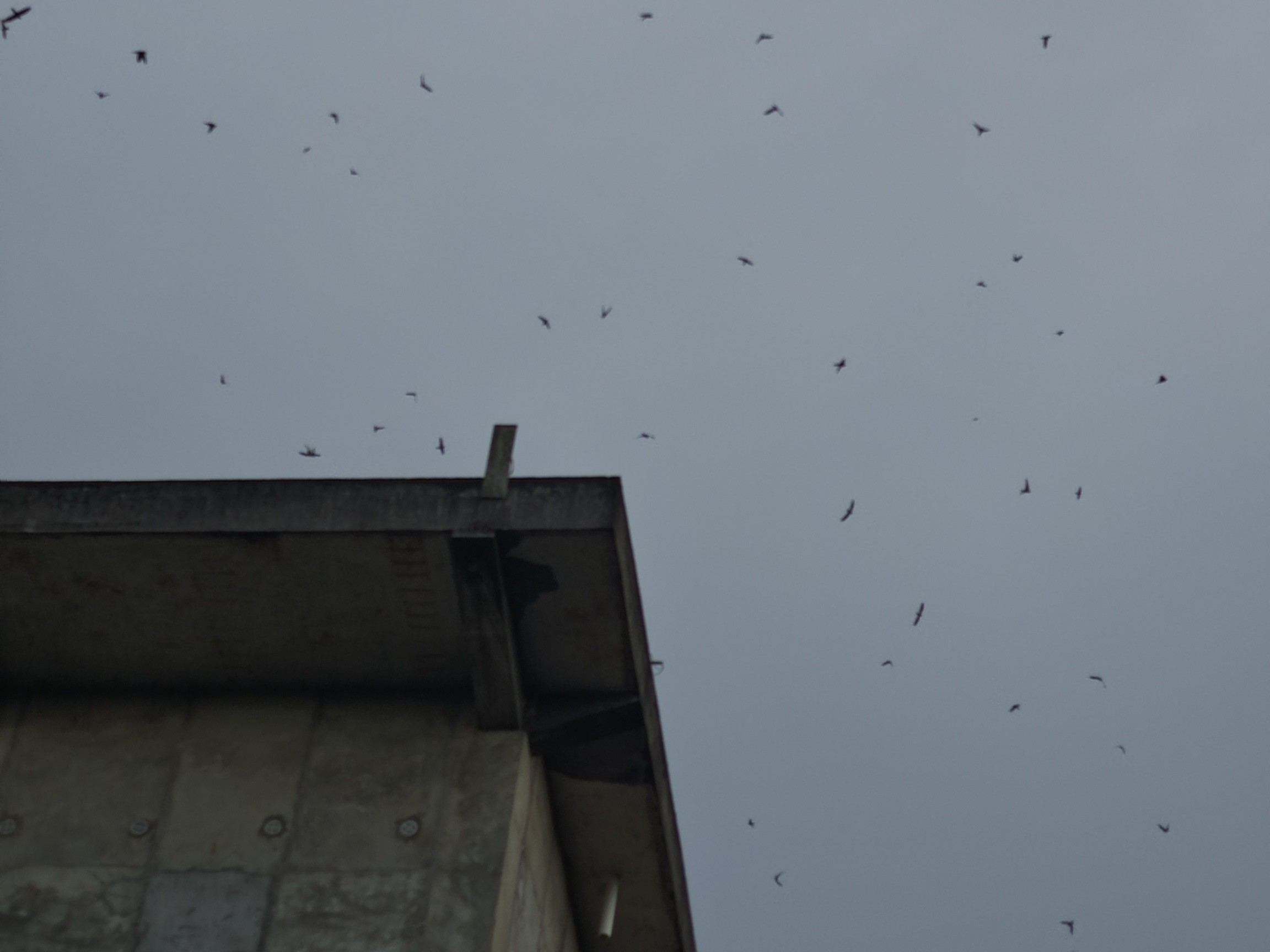

Managing a swiftlet house is one of the key factors in ensuring the formation of a stable colony and the production of high-quality nests. Many swiftlet houses fail to achieve the expected productivity due to building design, environmental conditions, or operational procedures that do not align with the biological characteristics of swiftlets. Parameters such as temperature, humidity, lighting, cleanliness, and pest control play an important role in creating a conducive environment for the birds to settle.
With the advancement of research and supporting technologies, stakeholders in the swiftlet house industry now have references regarding standards for effective management. This article provides recommendations to help ensure that swiftlet houses remain comfortable, safe, and supportive of sustainable nest production.
Optimize Environmental Parameters of the Swiftlet House
Swiftlets are highly sensitive to temperature and humidity. The ideal temperature range for a swiftlet house is between 27.5–29.5°C, with humidity levels between 80–90%. Maintaining a stable microclimate inside the swiftlet house helps prevent stress, preserve nest quality, and support settling behavior. Installing temperature and humidity sensors, using misting systems or humidifiers, and designing proper ventilation can help maintain good air circulation.
Interior Design That Mimics Natural Habitat
Swiftlets naturally live in caves or dark spaces with surfaces suitable for attaching their nests. Therefore, the interior of a swiftlet house should be designed to resemble these conditions by creating low-light environments, using nesting planks with standard dimensions, and arranging the layout to allow easy movement. These adjustments help swiftlets feel safe, accelerate adaptation, and reduce reliance on additional equipment to maintain environmental conditions.
Use High-Quality External and Internal Calling Sounds
The use of calling sounds is a standard method for attracting and retaining swiftlet colonies. However, its effectiveness depends on the recording quality, frequency of use, and surrounding noise levels. Clear and natural recordings help swiftlets recognize the house as a suitable nesting location. Speaker placement, volume control, and playback timing must be managed consistently to ensure the birds do not feel disturbed.
Preventive Pest Control
Pests such as rats, cockroaches, ants, and owls can disrupt the comfort of the colony. Research shows that pest disturbances are one of the main reasons swiftlets abandon a building. Therefore, pest control must be conducted routinely and preventively. Structural inspections, sealing entry gaps, maintaining cleanliness, and using non-toxic traps help keep the swiftlet house safe for the colony.
Maintained Cleanliness and Biosecurity
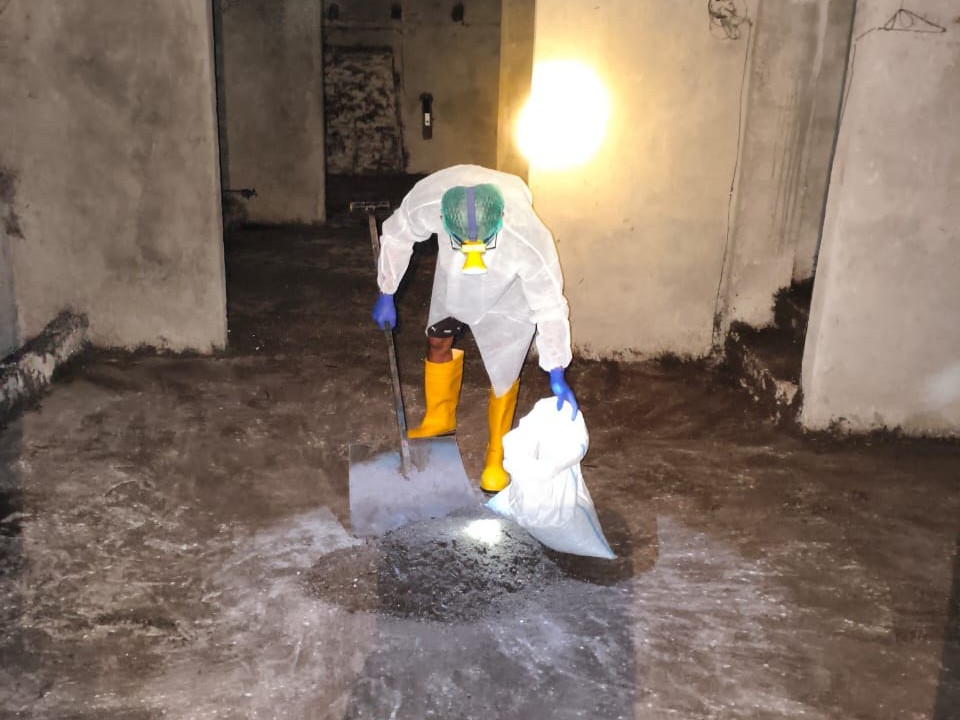
A clean environment supports the comfort of the birds and helps prevent diseases, mold, foul odors, and reduced nest quality. Biosecurity guidelines applied in the food and livestock industries are also relevant for swiftlet houses. Cleanliness affects not only bird comfort but also food safety standards and product traceability. Cleaning schedules should be conducted regularly while considering the birds’ reproductive cycle to avoid disturbing nesting or chick rearing.
Digital and Responsive Monitoring
The use of monitoring technology has become an important supporting factor in modern swiftlet house management. Automatic sensors for temperature and humidity control, audio monitoring, and anomaly detection alarms help maintain stable conditions without excessive manual intervention. IoT systems have proven effective in increasing efficiency and enabling faster corrective actions.
Conclusion
To ensure swiftlets remain comfortable and willing to stay in the swiftlet house, owners must balance design, environmental parameters, pest control, and cleanliness. With proper, structured management based on proven best practices, swiftlet houses can become a comfortable habitat for the colony while increasing long-term nest productivity.